

The essence of cultural heritage embodies societies’ deep history, artistic styles, and shared beliefs. Protecting these precious elements has become crucial in an age swiftly moving towards future technologies. Let us delve into the notable accomplishments, highlighting the methods that led to their success. These achievements reinforce that cultural preservation is a continuous journey that thrives on innovation, commitment, and global collaboration.
Exploring Traditional Arts Role in Cultural Heritage Preservation
Diving into the world of traditional art offers an intriguing perspective on how societies worldwide keep their distinct cultures, beliefs, and customs alive. Traditional art, which spans paintings, sculptures, music, and dance, acts as a way to express and as a crucial connector to history, linking past and present generations while enhancing cultural unity.
The evolution of traditional art showcases human creativity and cleverness. From ancient cave drawings to the complex textiles and ceramics of native groups, these art styles have documented human evolution, encapsulated societal norms, and shared vital stories and lessons integral to each group’s sense of self.
The arts’ importance in culture is immense. They mirror a community’s history, principles, and hopes. Traditional art forms are symbols of a community’s heritage, evolving while maintaining their fundamental value. By embracing and supporting traditional art, societies reaffirm their link to their past, nurturing a feeling of pride and continuity.
Identifying Challenges and Threats to Cultural Heritage
Today, cultural heritage preservation encounters several challenges that risk the continuity of cultural traditions and the fading of cultural identities. These challenges encompass
- Globalization and urban development
- Climate shifts
- Conflicts and wars
- Overlook and deterioration
- Illegal trade of cultural items
In response, communities globally are discovering creative methods to protect their cultural histories, showing resilience and innovation against these hurdles.
How Technology Enhances Cultural Heritage Preservation
Technology is a key ally in the evolving scene of cultural heritage protection, reshaping how we record, store, and share the vast array of indigenous knowledge and traditional art. This change includes
- Digital records and online museums
- Social networking sites
Technology’s role in cultural preservation is vast, closing the gap between old customs and new ways.
Global Efforts and Laws Protecting Cultural Heritage
Protecting cultural heritage greatly relies on legal safeguards and global collaboration. These components create a strong foundation for conserving tangible and intangible cultural assets.
Legal safeguarding involves various national and international regulations to protect cultural items from dangers like theft, destruction, and illegal selling. These regulations focus on physical artefacts and historical locations and aim to secure intangible cultural facets, such as customs, languages, and rituals, often at risk from global and modern pressures. The critical role of these legal frameworks offers a formal way to protect and conserve cultural heritage.
Global teamwork is vital in cultural heritage conservation. Bodies like UNESCO lead global initiatives to safeguard cultural spots of universal importance. Through efforts like the Intangible Cultural Heritage list, UNESCO also aids in recognizing and protecting cultural aspects less tangible, ensuring worldwide appreciation and transmission to future generations.
Economic Benefits of Preserving Cultural Heritage
The economic impacts of cultural heritage conservation reach beyond simple aesthetics or historical curiosity. they significantly contribute to
- Boosting tourism and economic development
- Encouraging the creative industry
- Ensuring sustainable economic gains for local groups
As societies preserve their cultural past, they protect their history and identity and unlock paths to financial well-being.
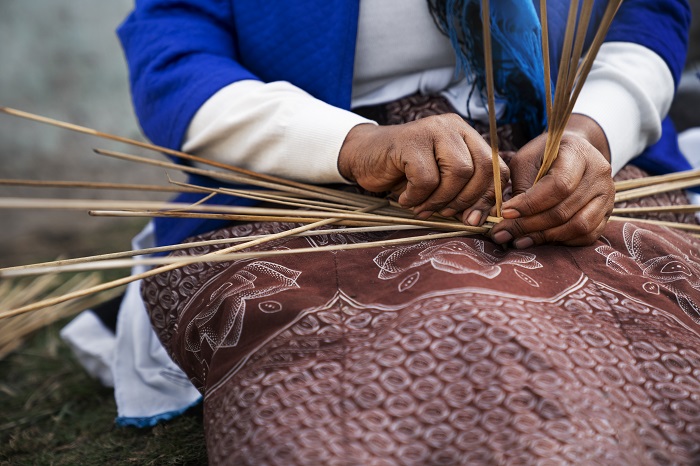
Community Engagement in Cultural Heritage Preservation
Local community involvement is crucial to keep and celebrate the wide variety of global cultures, especially in less developed regions. Community leaders and advocates are key, using the collective strength of their groups to protect their distinct cultural identities and customs for the future.
The impact of community participation in cultural preservation is profound. Education and awareness play fundamental roles, as seen in the role of the arts in cultural preservation discussions. Teaching community members about their cultural values, including traditional art, music, and practices, cultivates a deeper respect and dedication to conservation efforts. This approach enlightens current generations and ensures younger community members grow with a solid cultural identity and understand its importance in preservation.
Engaging the youth in cultural preservation amidst modernization and global influences poses particular challenges. Strategies for their involvement include making cultural heritage education part of school syllabuses and creating chances for hands-on participation in conservation projects. Thus, young people can form meaningful connections with their heritage, ensuring the continuation of their ancestor’s traditions and knowledge.
Using community knowledge and customs is another effective preservation strategy. Many groups hold a rich reserve of Indigenous knowledge and practices passed down through generations. This knowledge, covering traditional farming to natural medicine and storytelling, is a precious part of cultural heritage. By recording and promoting these customs, societies can guarantee their endurance and relevance in today’s world.
In conclusion, safeguarding cultural heritage for future generations demands the active participation of whole communities. Through education, awareness, and the involvement of the youth, societies can ensure their distinct cultural identities and customs are preserved, celebrated and passed down. As we progress, let us recall that cultural heritage preservation is a shared journey, enriching our lives and those of future generations.
Read More : Heritage Language: A Cornerstone of Cultural Identity
Securing Our Cultural Legacy for Future Generations
Navigating through these success tales, it becomes apparent that cultural heritage preservation focuses on honouring the past and laying a resilient foundation for the future. The shared stories illuminate the exceptional commitment of communities globally, proving that a unified goal can help surmount significant barriers. These triumphs remind us that cultural conservation is a dynamic process that necessitates ongoing innovation, dedication, and global backing.
